
Real Estate in Raipur
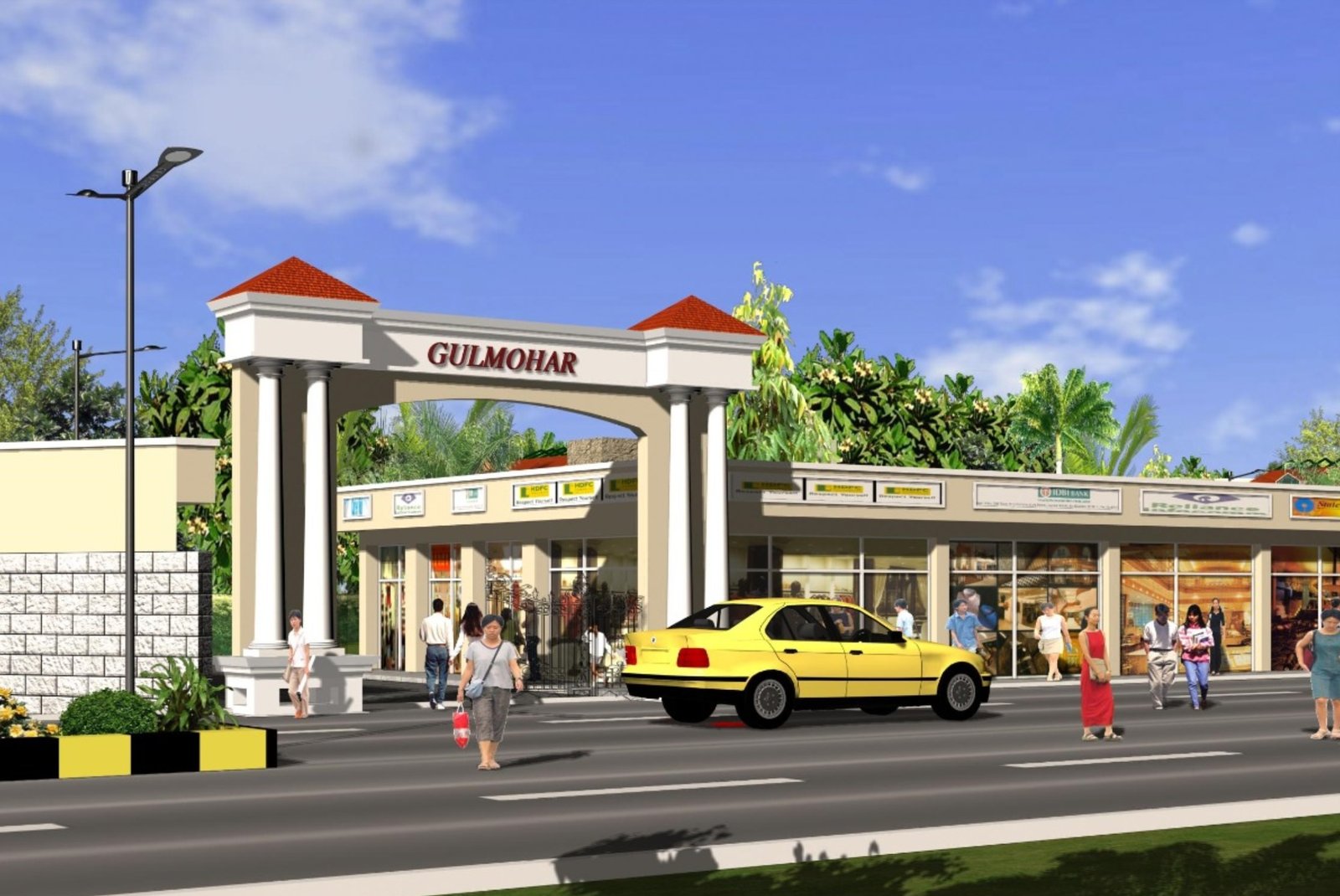
Harsh Bhoomi Phase 2
If you have ever imagined owning a piece of land where you can build a home entirely on your own terms, then Raipur might just be the city where that dream becomes real. Over the past few years, this city has quietly transformed into one of central India’s most promising real estate destinations. And if you have been on the fence about whether to invest, 2026 is the year to stop waiting.
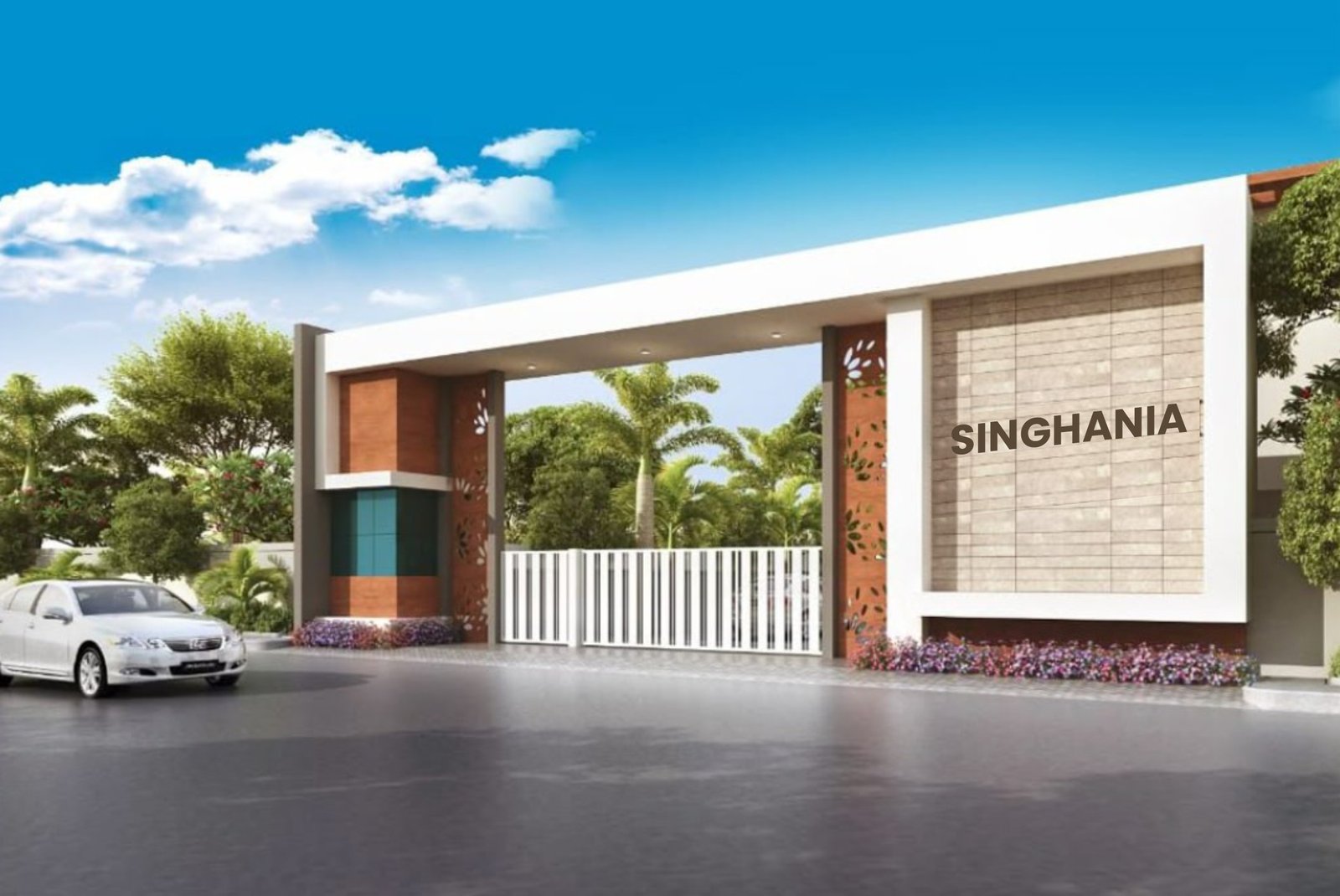
Dumar Talab
If you have ever imagined owning a piece of land where you can build a home entirely on your own terms, then Raipur might just be the city where that dream becomes real. Over the past few years, this city has quietly transformed into one of central India’s most promising real estate destinations. And if you have been on the fence about whether to invest, 2026 is the year to stop waiting.
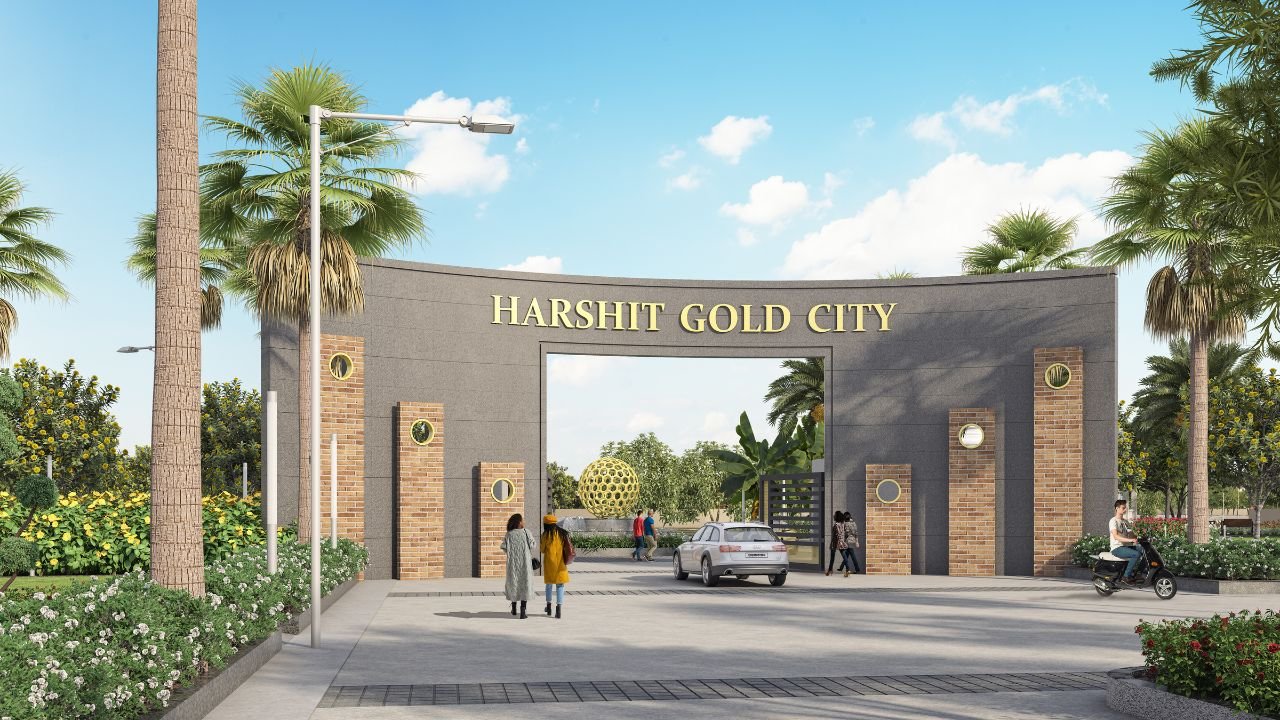
Harshit Gold City
If you have ever imagined owning a piece of land where you can build a home entirely on your own terms, then Raipur might just be the city where that dream becomes real. Over the past few years, this city has quietly transformed into one of central India’s most promising real estate destinations. And if you have been on the fence about whether to invest, 2026 is the year to stop waiting.
Why real estate in Raipur is attracting attention beyond its own borders
For a long time, Raipur was viewed primarily as an industrial and administrative center, a city known for steel, cement, and power rather than for its residential appeal. That perception has shifted considerably. As the capital of Chhattisgarh, the city has spent the last several years quietly building the kind of infrastructure, job base, and urban planning that typically signals a real estate market on the rise. Today, real estate in Raipur is drawing interest not just from local buyers but from professionals returning from larger cities, investors from neighboring states, and even NRIs looking to invest back home. This growing attention isn’t accidental. It reflects a city that has been steadily transforming its identity while most of the country wasn’t paying close attention.
What is actually driving this growth beneath the surface
It’s easy to assume that rising interest in a city’s property market is driven by a single factor, but the reality is usually more layered. In Raipur’s case, several forces are working together at the same time.
- A diversified job base spanning steel, cement, power, healthcare, and education
- Steady population inflow from smaller towns and returning metro city professionals
- Government-backed urban planning under long-term development frameworks
- Expanding educational institutions drawing students and faculty from across the region
- A shift in buyer mindset toward calmer, more balanced living environments
None of these factors alone would be enough to sustain long-term growth, but together they create the kind of steady, layered demand that tends to support real estate in Raipur over a much longer horizon than a short-term price cycle.
How infrastructure is quietly reshaping where people want to live
Infrastructure rarely makes headlines the way a new residential launch does, but it tends to have a far greater long-term impact on property values. Raipur has seen consistent improvement in this area, including wider roads, new flyovers, and better connectivity to national highways linking it to cities like Nagpur, Sambalpur, Bhopal, Jabalpur, and Indore — with Visakhapatnam soon joining that list via the under-construction 464 km Raipur–Vizag Economic Corridor (NH-130CD), part of the Bharatmala Pariyojana. Rail connectivity through South East Central Railway keeps the city well positioned between Mumbai and Kolkata, while Swami Vivekananda Airport continues to expand its reach to major Indian cities. (Source: NHAI, Raipur–Visakhapatnam Economic Corridor project documentation.)
These improvements matter because they change how people evaluate locations. Areas that once felt inconvenient or far from the city center are now realistic options for daily commuting, which naturally expands the map of where buyers are willing to look. This is one of the quieter but more important reasons real estate in Raipur continues to gain momentum, since better connectivity tends to unlock value across a much wider stretch of the city rather than concentrating it in just one or two established pockets.
Is affordability still Raipur’s biggest advantage
Ask most buyers why they’re considering Raipur over a larger city, and affordability usually comes up first. Compared to Tier 1 markets, the cost of entry here remains considerably more accessible, allowing buyers to secure larger spaces, better locations, or even independent homes and plots for a fraction of what similar options would cost elsewhere.
That said, affordability alone rarely tells the whole story. What makes this advantage meaningful is that it’s paired with steady, gradual appreciation rather than the sharp, unpredictable price swings common in oversaturated metro markets. This combination, accessible entry pricing alongside a stable growth trajectory, is what continues to make real estate in Raipur appealing to both first-time buyers and long-term investors who are wary of overpaying in a peak market elsewhere.
What should a serious investor evaluate before committing
Affordability and growth potential are important, but they shouldn’t be the only factors guiding a decision. A more thorough evaluation typically includes:
- The developer’s history of on-time, quality project delivery
- Legal clearances, land titles, and documentation transparency
- Current and planned infrastructure in the surrounding locality
- Proximity to schools, hospitals, and commercial hubs
- Historical price movement in the specific micro market being considered
Skipping this kind of evaluation is one of the most common reasons investments underperform, regardless of how promising a city’s overall growth story might sound on paper.
How does Raipur stack up against the metro city equation
| Factor | Major metro cities | Raipur |
| Entry cost for comparable space | Considerably higher | Notably more accessible |
| Commute times | Long and often unpredictable | Shorter and more manageable |
| Living density | High congestion | Lower density, more open layouts |
| Price movement pattern | Sharp but volatile | Steady and gradual |
| Rental demand growth | High but highly competitive | Growing steadily |
| Government-backed planning | Often reactive | Structured under long term frameworks |
This side-by-side comparison captures why so many buyers are reconsidering their assumptions about where to invest. Real estate in Raipur isn’t necessarily trying to compete directly with metro markets on scale, but on the quality of life and long-term value it offers instead.
Why builder credibility becomes the real deciding factor
In a market that’s still establishing its full reputation, the credibility of individual developers carries even more weight than it might in an already mature city. Buyers can’t always rely purely on a locality’s overall trajectory; they need confidence in the specific project and the team behind it.
Simghania Buildcon has positioned itself around exactly this kind of dependability, focusing on transparent documentation, consistent construction quality, and long term community planning rather than short term sales momentum. For buyers navigating real estate in Raipur, particularly those unfamiliar with the local market, working with a developer that has demonstrated this kind of consistency significantly reduces the uncertainty that often comes with investing in a growing city.
What does everyday life actually look like in a well planned community
Beyond the numbers and growth projections, it’s worth asking a more practical question: what does daily life actually feel like in these developments? Well planned residential communities across the city increasingly offer:
- Low density layouts with genuine breathing room between units
- Landscaped gardens and dedicated walking paths
- Children’s play areas and community gathering spaces
- Reliable security systems and controlled access points
- Proximity to schools, healthcare, and everyday conveniences
These aren’t luxury add ons anymore, they’re becoming standard expectations. This shift matters because it shows that real estate in Raipur is evolving in step with buyer expectations rather than simply riding on affordability alone.
Can long term value really be trusted in a developing market
This is perhaps the most important question for cautious investors, and it deserves an honest answer rather than blanket reassurance. No developing market is entirely without risk, but Raipur’s growth pattern offers several reassuring signals. Price appreciation here has historically been steady rather than speculative, infrastructure investment has been consistent rather than reactive, and demand has been driven by genuine population growth and job creation rather than short term hype.
That combination doesn’t guarantee outsized returns, but it does suggest a market built on real fundamentals. For investors weighing real estate in Raipur against other emerging cities, this kind of stability is often more valuable over a ten year horizon than the faster but far less predictable swings seen in more speculative markets.
Thinking about entering the market? Here’s how to move forward
If you’ve been watching Raipur’s growth story from a distance, the current phase of the market offers a genuinely practical entry point. Infrastructure is improving steadily, pricing remains comparatively accessible, and demand is being driven by real economic and demographic shifts rather than short term speculation. Real estate in Raipur, at this stage, feels less like a gamble and more like a considered, long term decision.
Before committing, take the time to research specific localities rather than the city as a whole, verify documentation carefully, and have direct conversations with developers about delivery timelines and future plans for the surrounding area. A well informed decision made now, while the city is still building momentum, has a much stronger chance of paying off than one made after the opportunity has already become widely known.